Attachment style guide
Anxious attachment: signs, roots and what helps
People who lean anxious care a lot about their relationships and notice the smallest distance. That sensitivity often comes from wanting to be loved well, but it can wear you out.
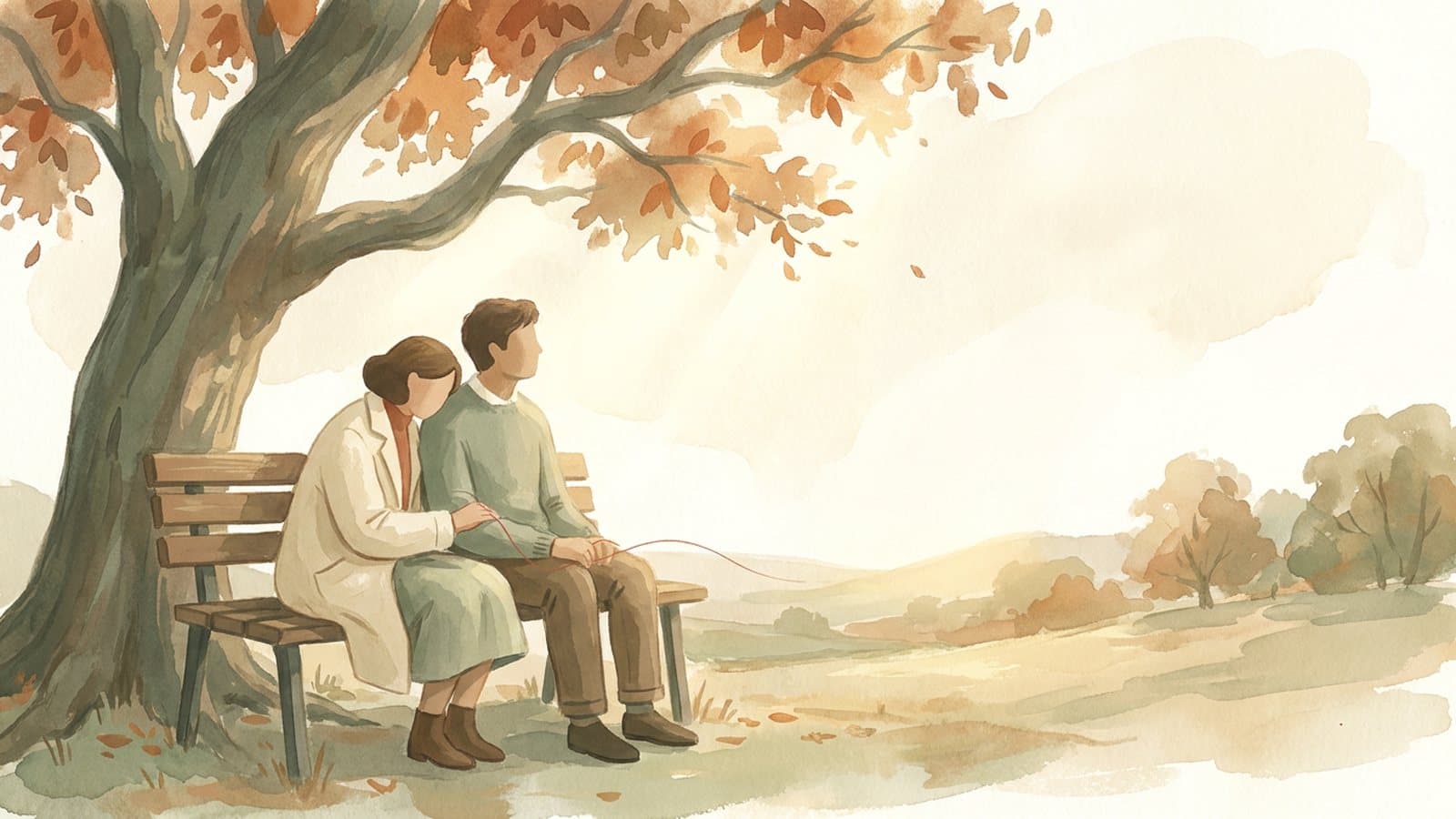
What it can look like
- A seen-but-unanswered message or a short reply sets you wondering what you did wrong.
- You really need words or actions that tell you 'we're okay'.
- After an argument you can't focus on anything else until you've made up.
- Sometimes you test whether they care, then feel you've been too clingy.
Where it may come from
Anxious attachment often links to care that was sometimes there and sometimes not. When closeness came and went, you learned to watch others' moods closely to hold on. Later experiences, like being ignored or betrayed, can deepen that alertness. It's a sensible way of protecting yourself, not a sign you're too sensitive or too demanding.
You care a lot about your relationships and pick up on small changes, so a little distance can set off worry. That sensitivity often comes from wanting to be loved well and to look after the relationship. It isn't a flaw, but it can wear you out. Practising soothing yourself first when worry rises tends to loosen things up in the relationship too.
What helps
- When worry spikes, take three slow out-breaths, then ask: 'What do I actually know, and what am I guessing?'
- Say what you need directly, e.g. 'a quick "I'll reply later" when you're busy really helps me', instead of testing.
- Keep a bit of time each day for something grounding that has nothing to do with the relationship.
- Notice who helps you feel settled, and spend more time in relationships where people do what they say.
Which style are you closest to?
12 statements, about 3 minutes. Your answers are scored in your browser and never sent or stored.
Take the attachment style quiz →Talk it through with mettame
The AI companion can help you sort through how you feel in relationships. It isn't a doctor or psychologist and will help you find a real person when needed.
My attachment style is closest to anxious and I panic when someone goes quiet. How can I learn to soothe myself?This content is health education and self-care information, not medical advice, diagnosis or treatment. If you are in danger, call the 1925 Mental Health Hotline (24 hours) or 119.