Attachment style guide
Avoidant attachment: signs, roots and getting closer at your pace
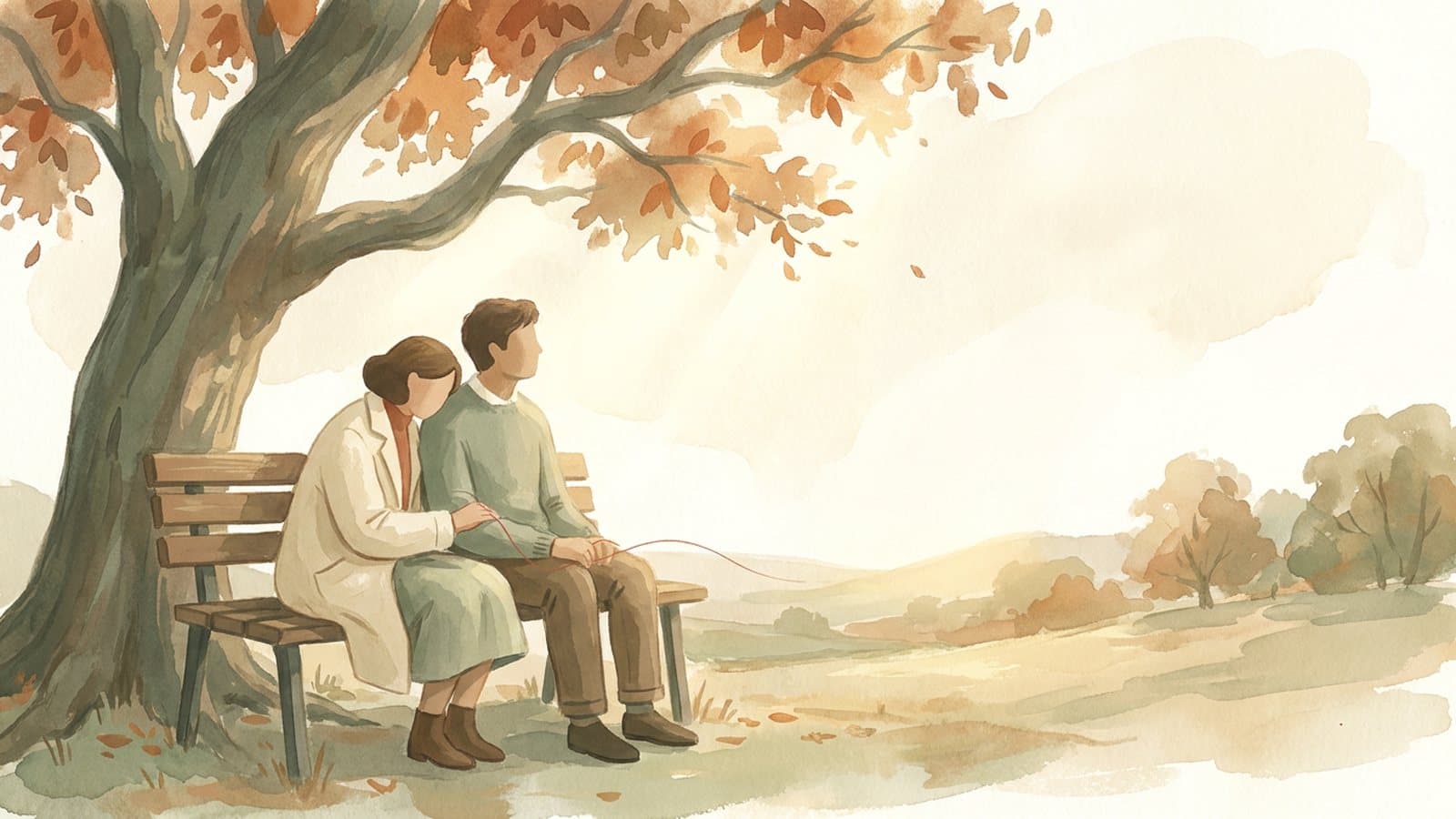
People who lean avoidant value independence and are used to handling things alone. When closeness or feelings get intense, they want to step back and breathe.
What it can look like
- You carry problems alone and rarely ask for help.
- When someone tries to know what is really on your mind, you steer the conversation away.
- When someone shares a lot of feelings, you feel lost and want the conversation to end.
- The more serious a relationship gets, the more room you want for yourself.
Where it may come from
Avoidant attachment often links to growing up when needs weren't met much, or feelings weren't welcome: told not to cry, left to sort things out alone. You learned that relying on yourself was safer. That independence is a real strength, but it can make it hard to reach out when you do need someone.
You value independence and are used to handling things yourself; when closeness or emotions get intense, you want to step back and breathe. That's often a way of protecting yourself learned earlier on: relying on yourself felt safer. You don't need to become clingy overnight. Letting someone you trust a little closer, bit by bit, is a good start.
What helps
- When you want to pull back, say 'I need a bit of space, let's talk tonight' so they know you'll come back.
- Once a week, share how you felt about one small thing with someone you trust, not just what happened.
- When you want to change the subject, notice your shoulders and chest. Noticing is where change starts.
- You don't need to become very close overnight; let people in bit by bit, at a pace you can manage.
Which style are you closest to?
12 statements, about 3 minutes. Your answers are scored in your browser and never sent or stored.
Take the attachment style quiz →Talk it through with mettame
The AI companion can help you sort through how you feel in relationships. It isn't a doctor or psychologist and will help you find a real person when needed.
My attachment style is closest to avoidant and I pull back when things get close. How can I practise at my own pace?This content is health education and self-care information, not medical advice, diagnosis or treatment. If you are in danger, call the 1925 Mental Health Hotline (24 hours) or 119.